
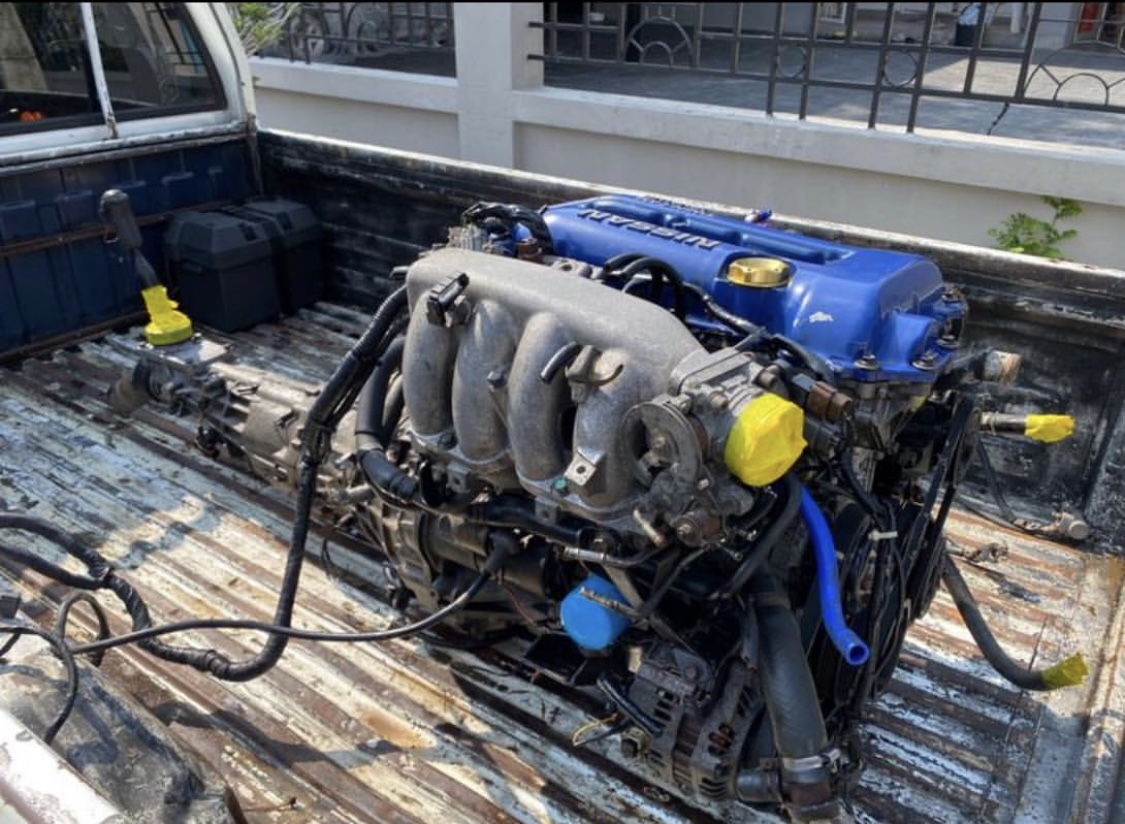
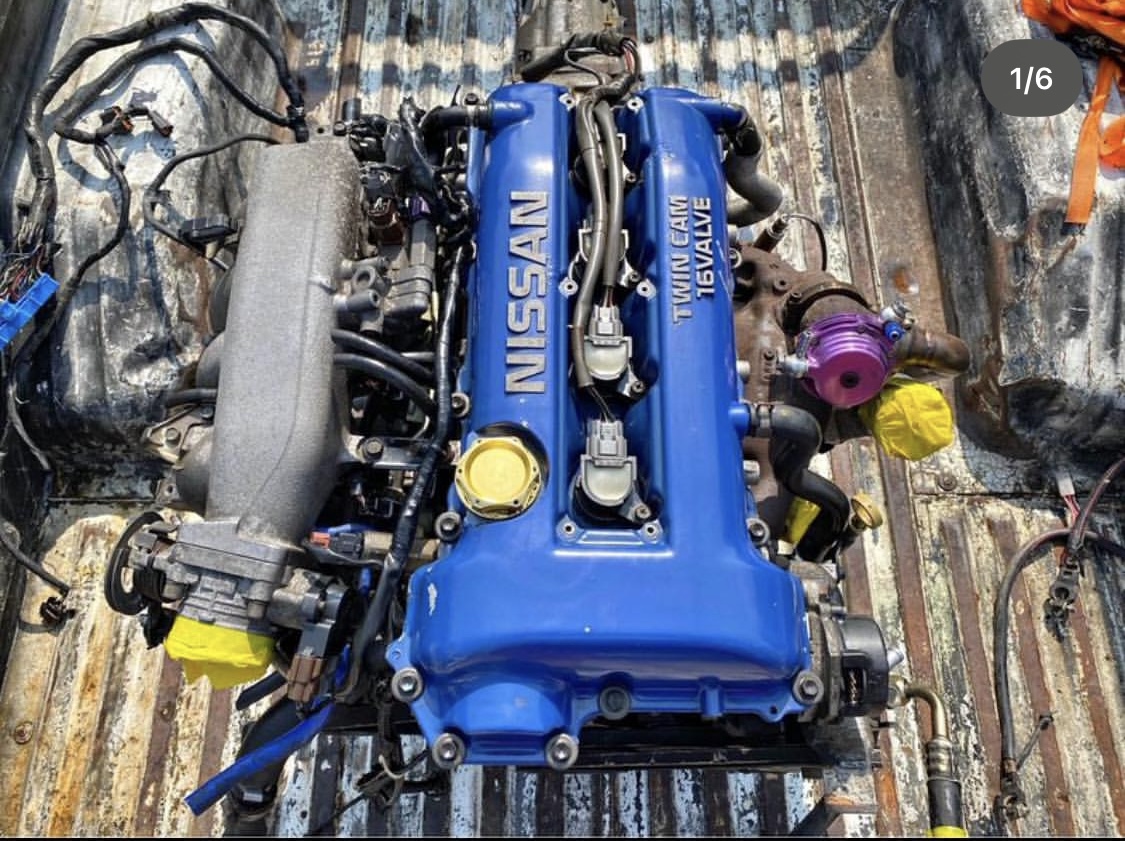
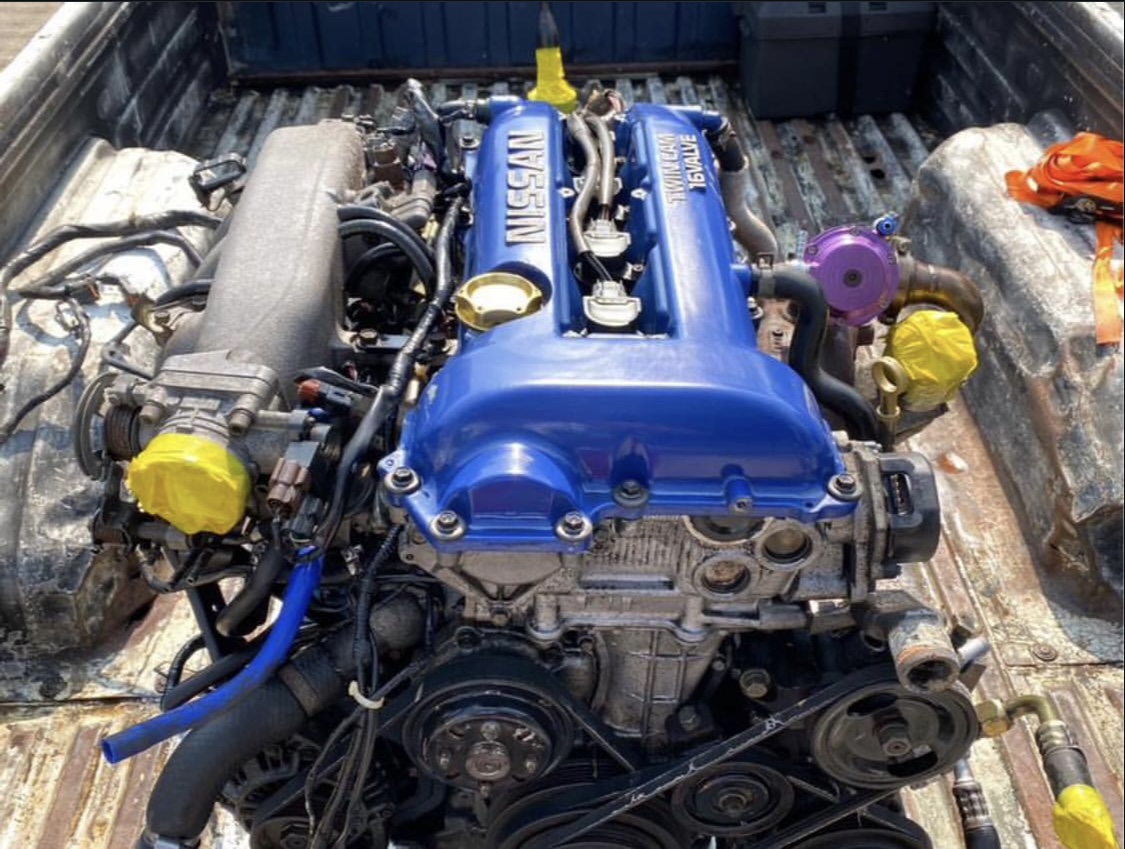
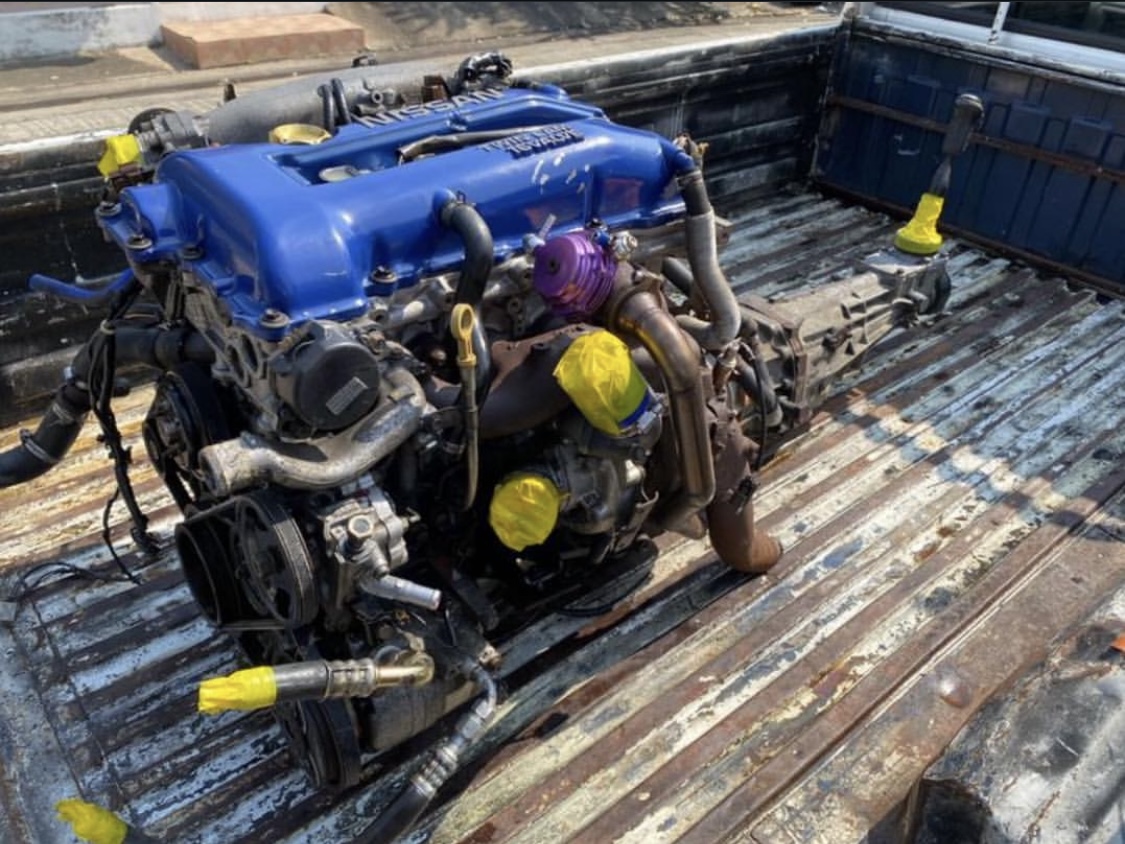
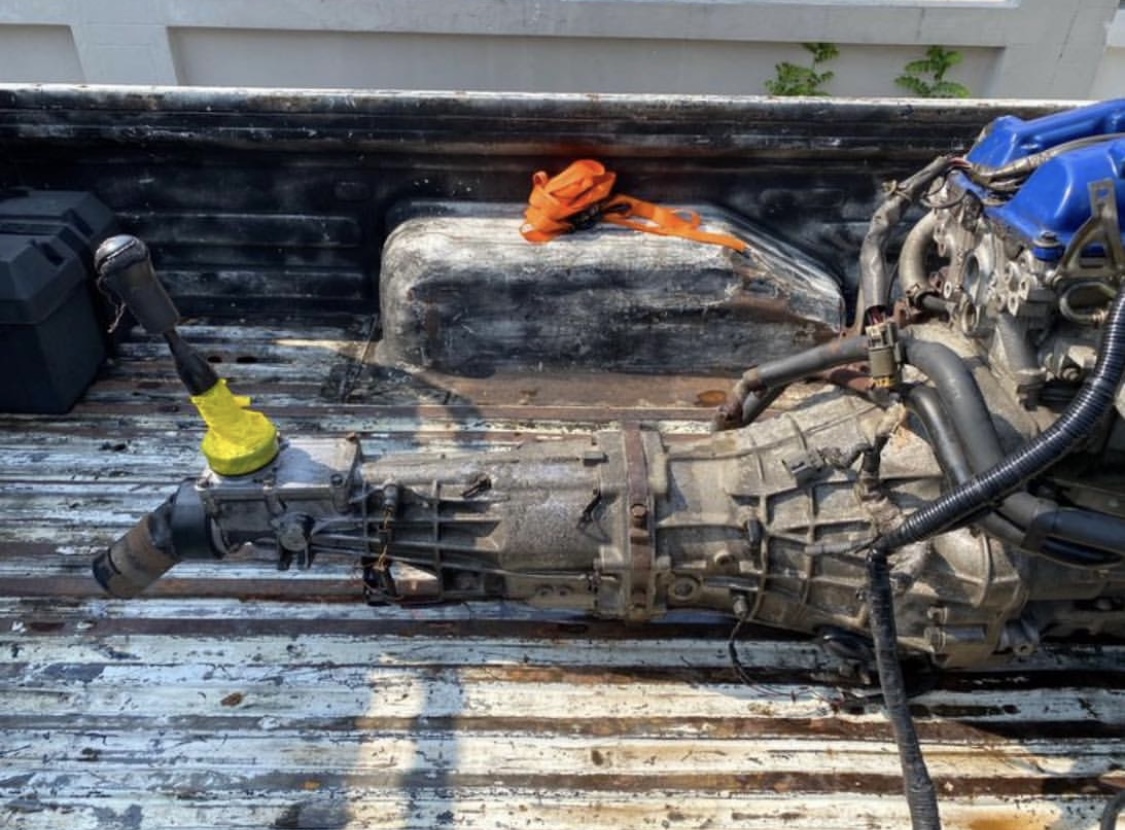
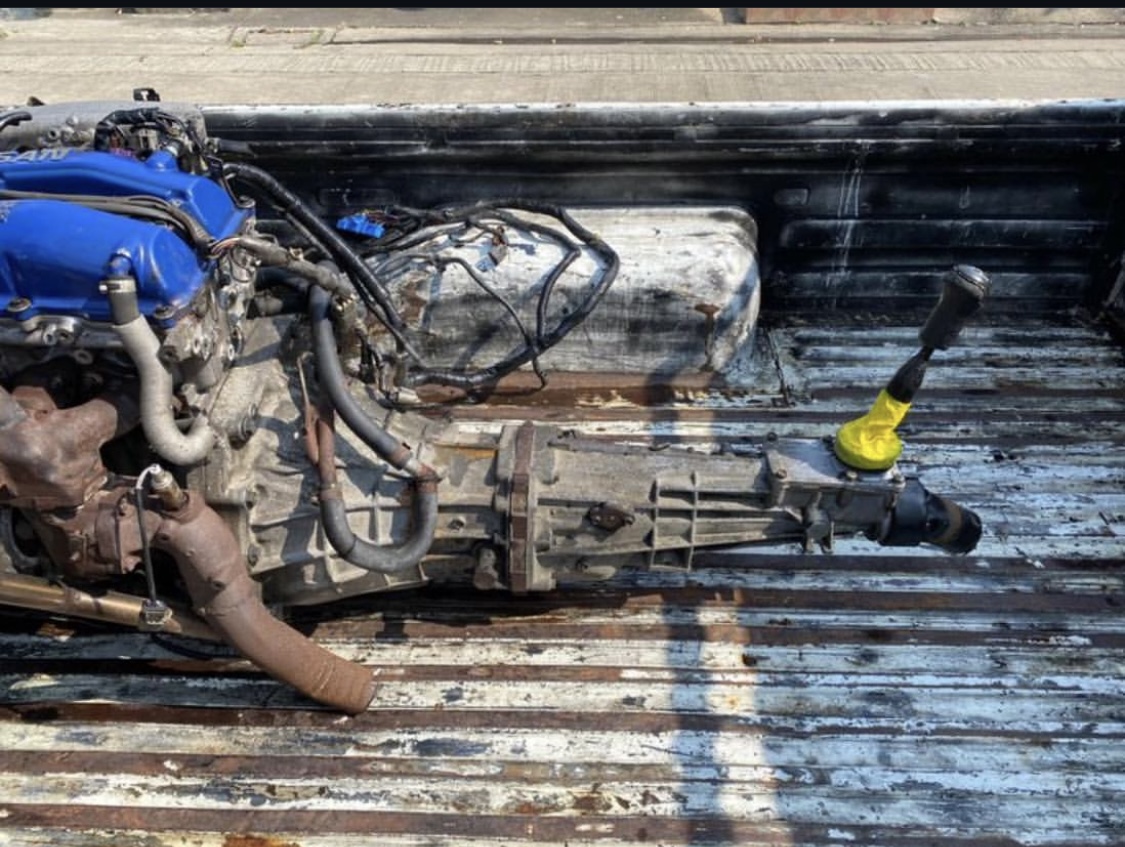
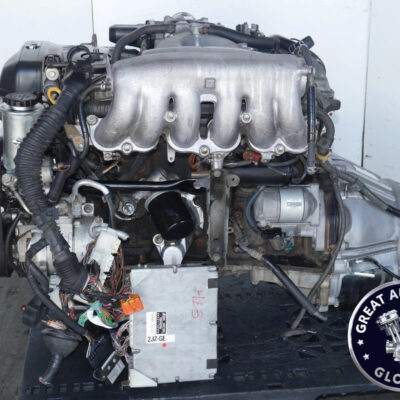
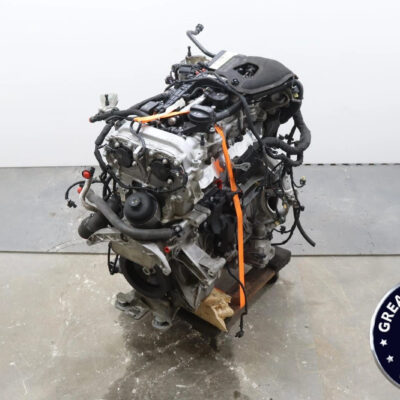
Nissan SR20DET Turbo Engine – 53K Miles | Excellent Condition
Selling a genuine Nissan SR20DET turbo engine with only 53,000 miles covered. Fully tested, imported JDM motor in perfect working condition. Ideal for Silvia S13/S14/S15, 180SX, Pulsar GTI-R, and performance builds.
The Nissan SR20DET is a popular, powerful, and highly tunable 2.0-liter turbocharged inline-four engine, known for its dual overhead camshaft (DOHC), electronic fuel injection (EFI), and robust, lightweight all-aluminum design. Earning legendary status in the Japanese domestic market (JDM) and tuner culture, it became a staple in performance platforms like the Nissan S-chassis (Silvia/180SX) and was also used in AWD vehicles, like the Pulsar GTIR. Its strong bottom-end, paired with its compact dimensions and favorable power-to-weight ratio, contributes to its widespread use and ability to handle significant power upgrades.
It features a strong all-aluminum block, a forged crankshaft, and well-designed connecting rods, which contribute to its reliability and tunability.
Its light and compact design helps achieve a balanced 50/50 weight distribution in the vehicles it powers, enhancing handling.
The engine is renowned for its ability to handle substantial increases in horsepower through tuning and modification, making it a favorite for drift and tuner enthusiasts.
While most famous for its rear-wheel-drive (RWD) applications in the S-chassis, the SR20DET was also used in transverse, front-wheel-drive (FWD), and all-wheel-drive (AWD) vehicles.
Its integration into the rear-wheel-drive Nissan S-chassis (like the Silvia and 180SX) cemented its legendary status in the drift and tuner communities.
Weaknesses (When pushed):
The Nissan SR20DET is a 1998cc, turbocharged, 16-valve, DOHC, 4-cylinder engine with a square 86mm bore and 86mm stroke. Factory horsepower output ranges from 204 PS (150 kW) in early models to 250 PS (184 kW) in the later S15 version. Key features include an all-aluminum block, closed-deck design, a forged crankshaft, and a chain-driven timing system. The engine uses a Mass Air Flow (MAF) sensor and has seen variations in turbocharger model (from Garrett T25G to T28R) and fuel injector size over its 1989-2002 production run.
Key Specifications
Power Output


There are no reviews yet.