
Key characteristics
- Production: 2001–2004
- Engine Type: DOHC (Double Overhead Camshafts) inline-4 cylinder
- Displacement: Available in 1.8L (1796 cc) and 2.0L (1995 cc) variants
- Construction: Aluminum block and head
- Advanced Features: Incorporates BMW’s Valvetronic system and Double VANOS
- Performance: The 1.8L version won the International Engine of the Year award for its category in 2001.
Common Problems and Unreliability
- Valvetronic System: The primary cause of unreliability, with potential failures in the Valvetronic motor or mechanism, often without error codes.
- Valve Stem Seals: Tend to dry out, harden, and cause increased oil consumption.
- Timing Chain Issues: Problems with the timing chain tensioner and stretching can occur.
- Other Issues: Plastic components, VANOS valves, and other sensors are prone to failure.
-
Fuel Efficiency:
Theoretically better than its predecessor, but often negated by frequent and costly breakdowns.
-
Throttle Response:
Improved due to Valvetronic and VANOS, leading to a more responsive driving feel.
-
Repair Costs:
The complexity and frequent failures of the Valvetronic system and other components lead to higher repair costs, which can offset fuel savings.
Key Specifications
- Engine Type: Inline-4 DOHC (Double Overhead Camshaft)
- Displacement: 1,796 cc (1.8 L) and 1,995 cc (2.0 L)
- Cylinder Bore: 84 mm (3.31 in)
- Piston Stroke: 81 mm (3.19 in) or 90 mm (3.54 in)
- Block and Head Material: Aluminum
- Valvetrain: DOHC with Double Vanos (Variable Valve Timing) and Valvetronic (Variable Valve Lift)
- Fuel Type: Petrol (Gasoline)
-
DOHC and Valvetronic:
The N42 introduced a more advanced DOHC 16-valve cylinder head with Valvetronic, a system that varies valve lift to improve performance and fuel efficiency.
-
Double Vanos:
The Double Vanos system provides variable timing for both the intake and exhaust camshafts, further optimizing engine performance across the rev range.
-
Aluminum Construction:
The engine features an aluminum block and cylinder head for weight reduction.
-
Low-Maintenance Timing Chain:
The engine uses a low-maintenance timing chain with a self-adjusting hydraulic chain tensioner.
-
Successor:
The N42 was a transitional engine, replaced by the BMW N46 engine in 2004.
The N42 engine was primarily used in BMW models from 2001 to 2004, most notably in the following:
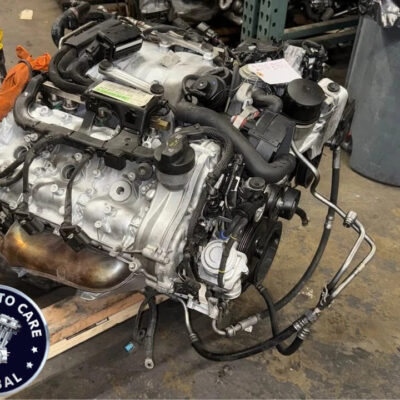
- BMW 318i (E46): The 1.9-liter (N42B20) engine was featured in the E46 318i, offering a significant power increase over its predecessors.


There are no reviews yet.